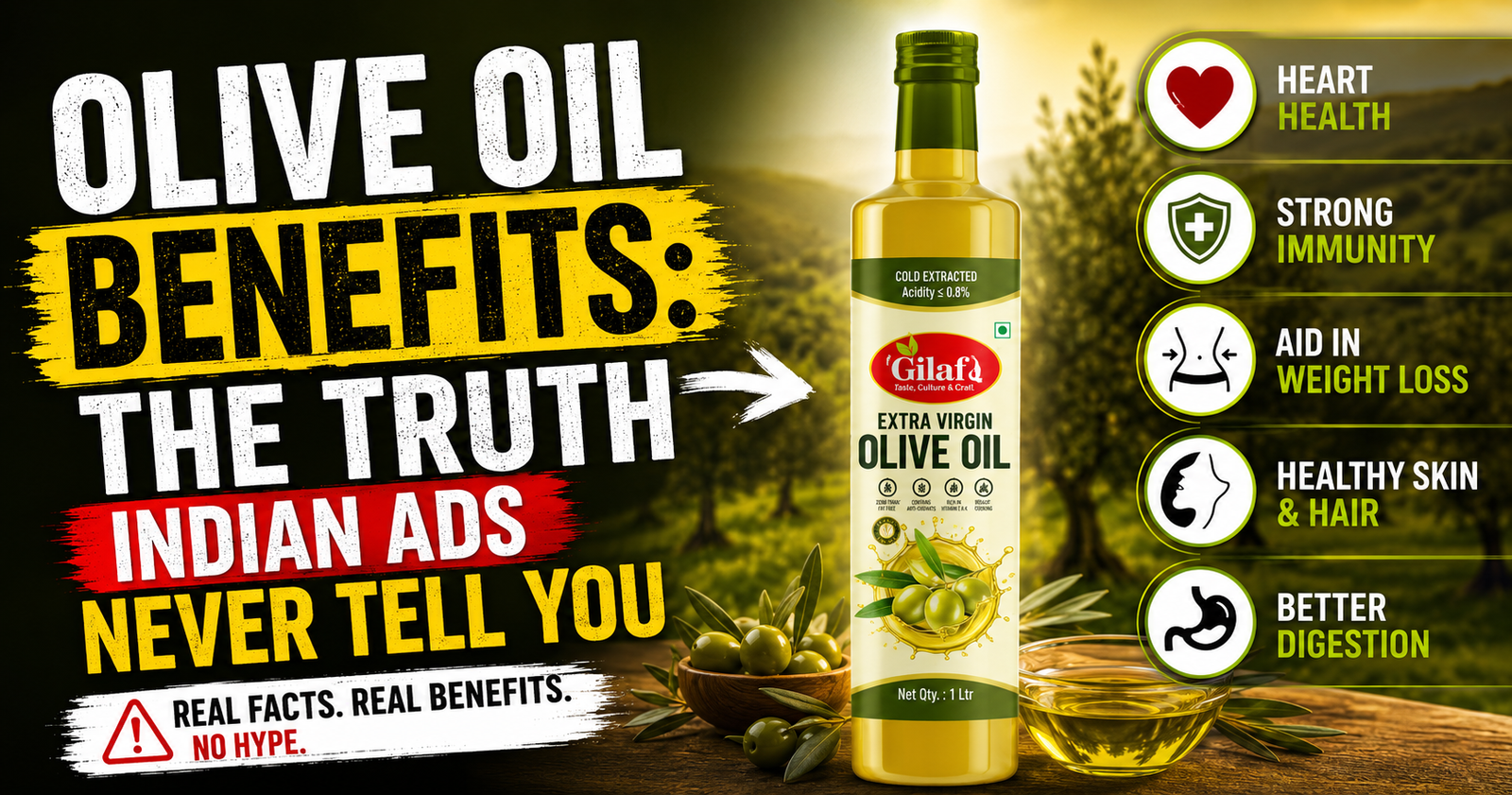
Olive Oil Benefits: The Truth Indian Ads Never Tell You
Olive Oil Benefits: The Truth Indian Ads Never Tell You
Olive oil has become increasingly popular in Indian kitchens, but with popularity comes a lot of advertising claims. You may have seen products promising heart health, weight loss, better digestion, glowing skin, stronger immunity, and many other advantages. These statements often sound impressive, but it’s important to look beyond the marketing and understand what this oil truly offers from a nutritional perspective. For example, while it is rich in monounsaturated fats and antioxidants, not all advertised effects are equally supported by scientific research. Understanding the real advantages of using olive oil can help you make informed choices for your health and avoid falling for exaggerated promises. But what does this Mediterranean staple actually offer? Which positive effects are supported by nutrition science, and which claims are simply marketing? In this guide, we separate the facts from the hype and explain what you should really look for when choosing an extra virgin olive oil.What Makes Extra Virgin Olive Oil Different?
Extra virgin olive oil is the highest grade of this plant-based fat and is obtained from olives using mechanical methods without chemical refining. It naturally contains monounsaturated fat, particularly oleic acid, along with smaller amounts of naturally occurring antioxidant compounds. One important point is that olive oil is still a calorie-dense fat. Calling it “healthy” does not mean unlimited consumption is beneficial. The quality of the oil and how it fits into your overall diet both matter.1. Olive Oil and Heart Health
One of the strongest reasons olive oil is included in Mediterranean-style diets is its fat profile. Extra virgin olive oil is rich in monounsaturated fatty acids. Replacing foods high in saturated fat with unsaturated fats can be a useful part of a heart-conscious eating pattern. However, olive oil should not be marketed as a medicine or a guarantee against heart disease. Your overall diet, physical activity, body weight, smoking habits, blood pressure, cholesterol levels, and other lifestyle factors all matter. The truth: Olive oil can be part of a heart-friendly diet, but it is not a magic solution.2. Does Olive Oil Help With Weight Loss?
This is one area where advertisements can easily become misleading. Olive oil itself does not automatically burn body fat. In fact, oil contains a significant amount of energy per gram. Simply adding more olive oil to your existing diet can increase your calorie intake. The better approach is to use olive oil as a replacement for less desirable sources of fat while maintaining appropriate portions and an overall balanced diet. The truth: Olive oil can fit into a weight-management diet, but it should not be promoted as a standalone weight-loss product.3. Antioxidants and Naturally Occurring Compounds
Extra virgin olive oil contains naturally occurring compounds such as polyphenols. These compounds contribute to the oil's characteristic flavour and are one reason extra virgin olive oil is nutritionally different from highly refined oils. The amount and type of these compounds can vary depending on the olives, harvest conditions, processing, storage, and age of the oil. This is why quality and proper storage matter.4. Olive Oil for Skin and Hair: Fact or Marketing?
Olive oil is commonly used in traditional personal-care routines, and its emollient properties can help moisturize dry skin. However, eating olive oil should not be presented as a guaranteed treatment for skin or hair problems. Claims such as “olive oil will stop hair loss” or “olive oil will cure skin problems” go far beyond what a food product should promise. For cosmetic use, people should also consider their individual skin type because an ingredient that works well for one person may not suit another. The truth: Olive oil can be useful as part of a personal-care routine, but exaggerated beauty claims should be treated carefully.5. What About Digestion?
Olive oil is a source of dietary fat and can be incorporated into a balanced diet. Some people find olive oil-containing meals comfortable and enjoyable, particularly when replacing heavier sources of fat. But claims that drinking large quantities of olive oil “cleanses” the digestive system or detoxifies the body are not a good reason to consume it. Your digestive system already has natural mechanisms for processing food and eliminating waste.6. Cold Extracted vs. Refined Olive Oil
When choosing olive oil, consumers should understand the difference between extra virgin olive oil and refined olive oil. Extra virgin olive oil is mechanically extracted and retains more of the natural characteristics of the olive. Refined olive oils undergo additional processing. If your priority is choosing an oil with the characteristic flavour and naturally occurring compounds associated with extra virgin olive oil, look for a genuine extra virgin olive oil from a reliable source.7. How to Choose a Good Olive Oil in India
Don't choose olive oil only because the front of the bottle contains impressive health claims. Check the actual label. Look for: * Extra Virgin Olive Oil clearly stated on the label * A trustworthy manufacturer, importer, or packer * Country of origin information * FSSAI details where applicable * Batch and date information * Proper packaging * A clear best-before date * Storage instructions * A genuine barcode and product information Packaging also matters. Olive oil should be protected from excessive heat and light. Once opened, store it properly and avoid unnecessary exposure to heat and air.The Biggest Olive Oil Advertising Myth
Perhaps the biggest misconception is that one particular food can provide all the health benefits advertised around it. Olive oil is not a miracle food. Its value comes from how it fits into a balanced eating pattern. Replacing less healthy fats with unsaturated fats, choosing minimally processed foods, eating vegetables, fruits, legumes, whole grains, nuts and seeds, and maintaining an active lifestyle are much more meaningful than relying on a single ingredient.So, Is Extra Virgin Olive Oil Worth Buying?
Yes, if you understand what you are buying. A quality extra virgin olive oil can be a versatile addition to an everyday kitchen. It provides predominantly monounsaturated fat and can help you replace other sources of fat in your diet. But don't buy it because an advertisement promises weight loss, immunity, perfect skin, or a cure for a health condition. Buy it for its quality, flavour, fat profile, and place in a balanced diet.Final Takeaway
The truth about olive oil is actually more useful than the hype. Extra virgin olive oil can be part of a healthy eating pattern, particularly when used instead of less desirable sources of fat. But portion size, overall diet, lifestyle, product quality, and storage all matter. So the next time you see a bold olive oil advertisement promising extraordinary health results, look beyond the headline. Read the label. Check the claims. Understand the product. And choose quality over marketing hype.Shop Products From This Article
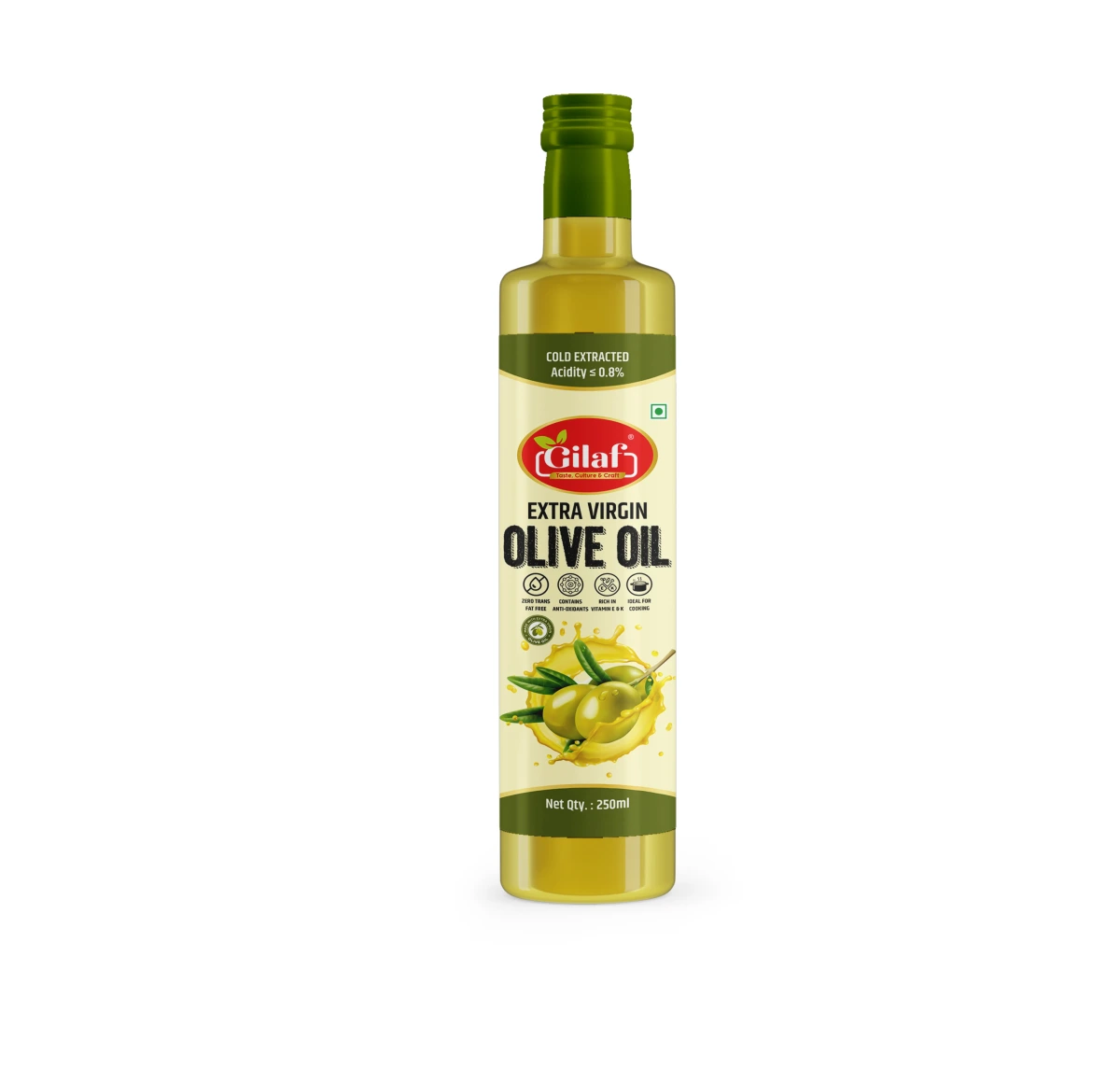
Frequently Asked Questions
What are the main benefits of extra virgin olive oil?
Extra virgin olive oil is rich in monounsaturated fat and naturally occurring antioxidant compounds. It can be part of a balanced, heart-conscious diet, especially when used instead of fats higher in saturated fat.
Is extra virgin olive oil good for heart health?
Olive oil does not directly burn body fat. It is calorie-dense, so portion size matters. It can fit into a weight-management diet when used appropriately as part of a balanced diet.
Is extra virgin olive oil better than refined olive oil?
Extra virgin olive oil is mechanically extracted and retains more of the natural characteristics of olives. It is a good choice if you want the characteristic flavour and naturally occurring compounds associated with extra virgin olive oil.
How should I choose and store extra virgin olive oil?
Look for clear product information, extra virgin classification, manufacturer/importer details, country of origin, FSSAI information where applicable, batch and date information, and suitable packaging. Store the oil tightly closed and away from excessive heat and light.
Does olive oil help with weight loss?
Olive oil does not directly burn body fat. It is calorie-dense, so portion size matters. It can fit into a weight-management diet when used appropriately as part of a balanced diet.