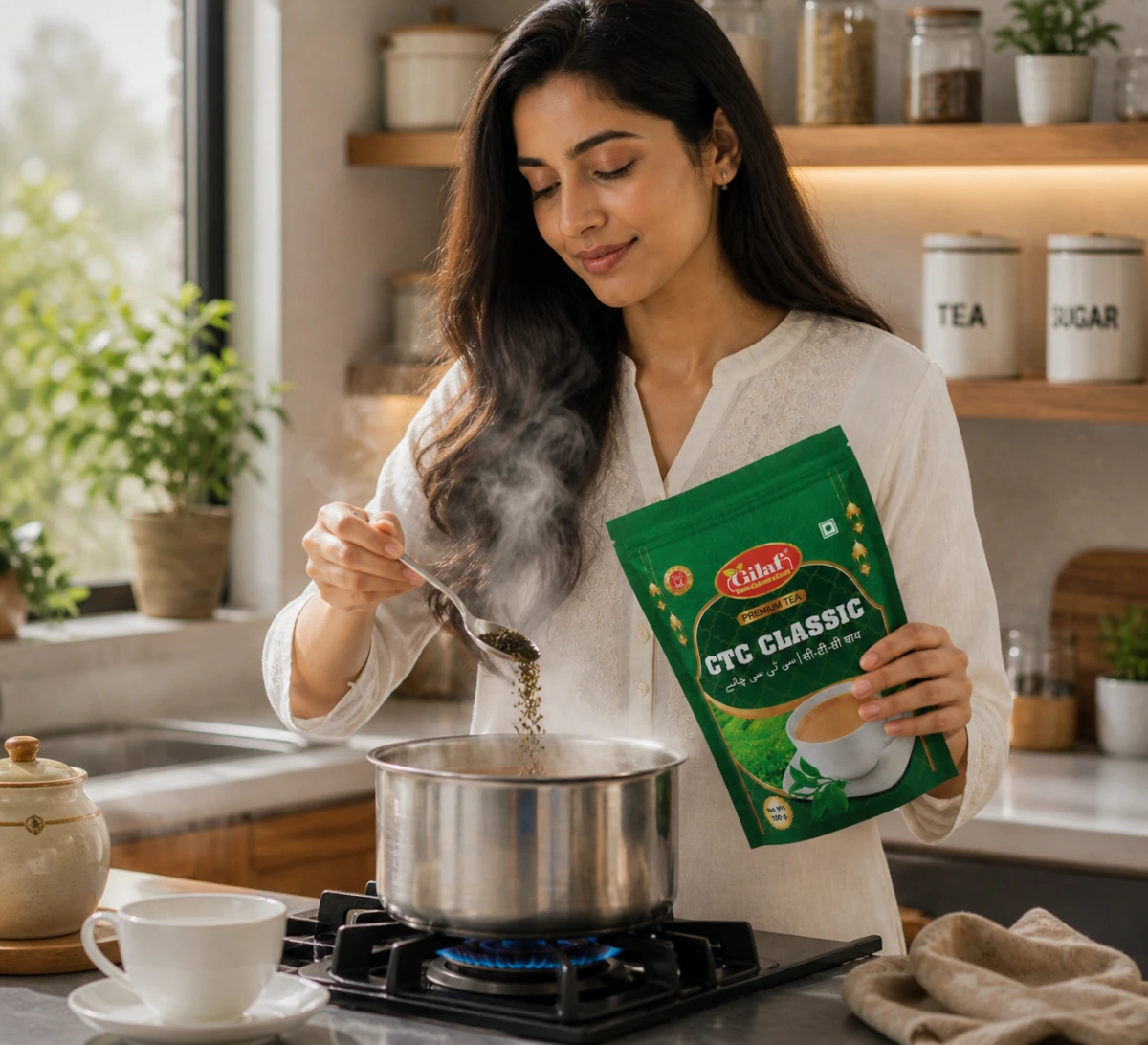
Is Your Morning CTC Tea Actually Real? Find Out Now
Your morning chai might be lying to you. I'm serious. Studies by FSSAI show that nearly 1 in 5 tea samples in India fail purity tests. And CTC tea, the one most Indian families drink daily, is the most adulterated of all.
So how do you know if your morning CTC tea is actually real? I tested 4 brands in my own kitchen last month. The results were honestly disturbing.
What CTC Tea Actually Is
CTC stands for Crush, Tear, Curl. It's a processing method where tea leaves are passed through cylindrical rollers. The result is those tiny dark granules you see in your chai dabba.
Real CTC tea comes mostly from Assam and parts of West Bengal. The granules should be uniform, dark brown to black, and feel slightly oily. When you brew it, you get that strong reddish-brown colour and the kadak taste every Indian household loves.
But here's the catch. Many brands mix exhausted tea leaves, iron filings, and even artificial colours into CTC tea. You're paying for chai and getting chemistry.
5 Simple Home Tests to Check if Your CTC Tea is Real
I tested these at home and they work. Try them today with whatever pack is sitting in your kitchen.
- The Cold Water Test. Drop a teaspoon of CTC tea in cold water. Real tea releases colour slowly over 5 to 8 minutes. Fake or coloured tea turns the water dark within seconds.
- The White Paper Test. Sprinkle some granules on wet white tissue paper. Leave it for 2 minutes. If you see bright brown or yellow stains spreading, your tea has added colour.
- The Magnet Test. Spread dry tea on a flat surface. Run a magnet over it. If iron filings stick to it, throw that pack away immediately.
- The Smell Test. Real CTC tea smells malty, earthy, slightly sweet. Fake tea smells flat, dusty, or chemical.
- The Touch Test. Genuine CTC feels slightly oily and leaves a faint colour on your skin. Powdery dry granules are usually old or adulterated.
Why Most Supermarket Brands Fail These Tests
Honestly, I won't name brands here. But 3 out of the 4 packs I tested showed colour bleeding within 10 seconds in cold water. One even had tiny iron particles. Yes, in tea you give your kids.
The reason is simple. Big brands buy tea from massive auctions where quality varies wildly. To keep prices low, they blend cheap exhausted leaves with fresh ones. Then they add colour to mask the mix.
This is why small batch brands matter. When you buy from a focused tea brand that sources directly from gardens, you skip all this jugaad. The Gilaf CTC Classic Black Tea I've been drinking for 3 months passes every single test above. Cold water stays clear for 6 minutes. Paper test shows zero artificial colour. That's how real chai should behave.
The Elaichi Question
Flavoured CTC teas are even trickier. Most elaichi teas in the market use artificial cardamom essence sprayed on old tea leaves. The smell hits you hard the moment you open the pack, then fades within a week.
Real elaichi tea uses crushed green cardamom pods mixed with fresh CTC granules. The aroma is gentle but lasts for months. The Gilaf CTC Elaichi Tea سی ٹی سی الائچی چائے does this properly. You can actually see small cardamom pieces in the blend.
If your elaichi chai loses its smell after 2 weeks, you've been sold scented dust. Switch.
How to Store CTC Tea Properly
Even real CTC tea goes bad if you store it wrong. Most Indian homes keep tea in transparent jars near the stove. Worst possible spot.
Tea hates light, heat, moisture, and strong smells. Use an airtight steel or ceramic container. Keep it in a cool dry shelf, away from masala dabbas. Buy small packs of 250g instead of 1kg bulk packs.
A good CTC pack stays at peak flavour for 4 to 6 months after packing. Check the date before you buy.
Final Thoughts
Your morning chai is sacred. It deserves real tea, not coloured dust. Run those 5 tests on your current pack this week. If it fails even one, switch immediately.
Life is too short for fake chai, and your family is too important. Try a small batch brand like Gilaf and taste the difference real CTC tea makes.